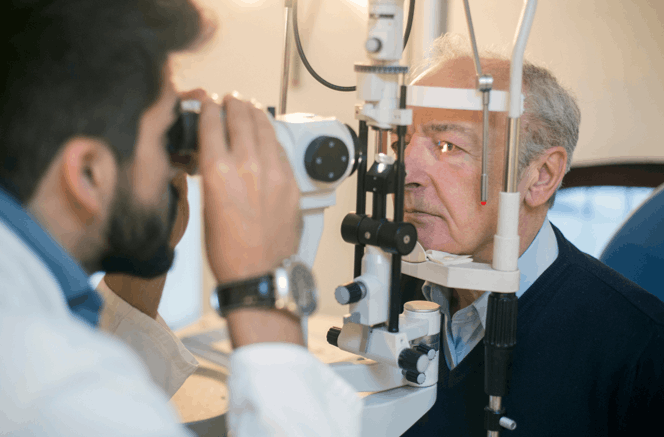
How Preventive Eye Care and Healthy Habits Help Protect Long-Term Vision
According to a global survey, 85% of respondents said they fear losing their eyesight more than any other sense, however, only 33% reported getting annual eye exams.1 This gap highlights why initiatives like Save Your Vision Month are so important.
What is Save Your Vision Month
Led by the American Optometric Association (AOA), Save Your Vision Month is an annual campaign that highlights the importance of preventive care in protecting long-term vision health. One of the most effective ways to preserve sight is through annual comprehensive eye exams.
In addition to encouraging routine exams, the campaign also promotes everyday habits that support long-term eye health, such as protecting eyes from UV rays, reducing digital eye strain, and proactively managing chronic conditions like diabetes.
Many Eye Conditions Develop Without Symptoms
Many people equate good vision with good eye health, but that’s not necessarily true. Chronic eye diseases, which are among the leading causes of vision impairment and blindness, can progress for years before noticeable symptoms appear. By the time changes in vision occur, irreversible damage may have already developed. This is why relying on symptoms alone can be dangerous, and why proactive eye care is essential to protecting long-term sight. Examples of common chronic eye conditions include:
- Diabetic Retinopathy (DR): A common complication of diabetes and the leading cause of blindness among working-age adults, DR can cause blurred vision, large floating spots, and partial or complete vision loss.
- Glaucoma: Often referred to as the “silent thief of sight” because it typically has no symptoms in its early stages, glaucoma damages the optic nerve and is a leading cause of blindness in adults over the age of 60.
- Age-Related Macular Degeneration (AMD): Commonly affecting people over the age of 50, AMD causes a gradual loss of central vision.
Why Preventive Eye Exams Matter
Regular comprehensive eye exams are about more than updating prescriptions. During these exams, eye care professionals can check for early signs of disease before noticeable symptoms appear. When identified early, many conditions can be treated or managed more effectively.
For people living with diabetes, annual eye exams are especially critical. Early detection of diabetic retinopathy can help prevent avoidable vision loss and support timely referral to specialty care.
Comprehensive eye exams don’t just provide clues about your visual health. These exams can offer insights into overall health. Chronic and systemic conditions, such as diabetes and high blood pressure, can sometimes be detected during a comprehensive eye exam, providing even more incentive not to skip this important annual appointment.
Expanding Access to Vision Care
Save Your Vision Month brings the importance of preventive eye care to the forefront. At Digital Diagnostics, we recognize the value of early detection. Our AI-powered solution, LumineticsCore®, diagnoses diabetic retinopathy in primary care settings. While it does not replace a comprehensive eye exam, LumineticsCore expands access to diabetes-related eye care by meeting patients where they are and enabling non-eye care providers to deliver diagnostic exams at the point-of-care. This supports earlier diagnosis and timely referral for follow-up treatment—when intervention is most effective.
The idea of being diagnosed with a vision threatening eye condition can be scary. However, it’s important to remember that roughly 80% of all visual impairments can be prevented, treated, or cured with proper eye care.2 Early detection is key to safeguarding eye health and preventing avoidable vision loss. This Save Your Vision Month, be proactive and schedule a comprehensive eye exam. Protecting your vision begins with preventive eye care.
Request a demo to see how you can integrate LumineticsCore into your practice and help more patients keep their vision.
- https://www.novartis.com/ph-en/news/media-releases/novartis-global-survey-shows-85-fear-blindness-only-33-have-regular-eye-examination
- https://www.ncbi.nlm.nih.gov/books/NBK448182/