January’s Eye Health Observances Highlight the Importance of Regular Eye Exams
January is National Eye Care Month. It is also Glaucoma Awareness Month. This is a fitting combination since proactive eye care, such as regular eye exams, play a key role in early detection, which can help slow vision loss caused by glaucoma.
National Eye Care Month
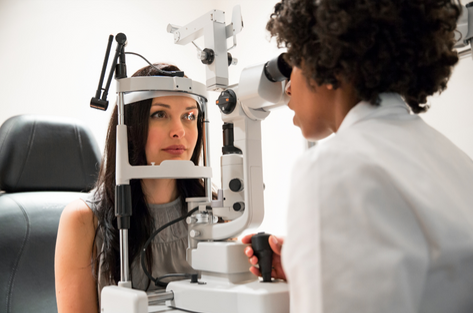
National Eye Care Month encourages individuals to make routine eye exams a regular part of their overall healthcare. These exams are essential for detecting issues early, when they are most manageable and, in many cases, preventable. Beyond updating prescriptions and diagnosing vision-related conditions, eye exams can reveal signs of broader health concerns, including high blood pressure, autoimmune diseases, and diabetes.
Routine eye exams are especially critical for those living with diabetes because diabetes increases the risk of several serious eye conditions, including:
- Glaucoma: Often symptomless in early stages, glaucoma damages the optic nerve and is a leading cause of blindness in adults over the age of 60.
- Diabetic Retinopathy: Diabetic retinopathy is a common complication of diabetes and the leading cause of blindness among working age adults. It can cause blurred vision, large floating spots, and partial or complete vision loss.
- Cataracts: Cataracts occur when the eye’s natural lenses become cloudy, causing things to look blurry, hazy, or less colorful.
Glaucoma Awareness Month
It’s appropriate that Glaucoma Awareness Month coincides with National Eye Care Month since early diagnosis is the key to preventing glaucoma damage. Glaucoma is often referred to as the “silent thief of sight” because it typically has no symptoms in its early stages. If left untreated, glaucoma can lead to irreversible vision loss. According to the Glaucoma Research Foundation, approximately 4.22 million people in the U.S. have glaucoma, and nearly half are unaware of their condition.1
While early diagnosis is critical, there are additional steps that can be taken to help reduce the risk of serious complications from glaucoma. According to the American Academy of Ophthalmology, proactive steps include2:
- Maintain a healthy diet.
- Control blood pressure.
- Exercise regularly.
- Avoid smoking.
Barriers to Early Detection
Despite the importance of early detection, many people do not receive regular eye exams due to barriers such as limited access, time constraints, or lack of transportation. Advances in technology are helping address these gaps. Innovations like telemedicine and AI-powered solutions like LumineticsCore®, which autonomously diagnoses diabetic retinopathy at the point-of-care, are expanding access to essential eye care and supporting earlier diagnosis of vision-threatening conditions.
January is an ideal time to focus on action. For both you and the patients you care for, be proactive and prioritize regular eye exams and stay informed about eye health risks, as these are simple but effective steps toward protecting long-term vision.
- https://glaucoma.org/articles/glaucoma-facts-and-stats
- https://www.aao.org/eye-health/tips-prevention/easy-steps-to-prevent-vision-loss-from-glaucoma